
Did you know the human body has over 650 skeletal muscles, but some estimates say there are as many as 840.
Choose from our curated list of muscles (ones your able to work out while exercising)
Back
The back has muscles that support posture, movement, and stability. Key muscles include the trapezius, for shoulder and neck movement; latissimus dorsi, aiding in arm movement and back extension; erector spinae, which helps keep the spine upright; and rhomboids, pulling the shoulder blades together. These muscles allow lifting, twisting, and stabilizing the spine for daily activities.

The Lower Trapezius muscle is a large, triangular muscle located in the upper back. It plays a crucial role in shoulder stability and movement. Its main function is to pull the shoulder blades downward and inward towards the spine. This muscle is important for maintaining good posture, proper shoulder mechanics, and overall upper body strength. Strengthening the Lower Trapezius muscle can help pre...
Read more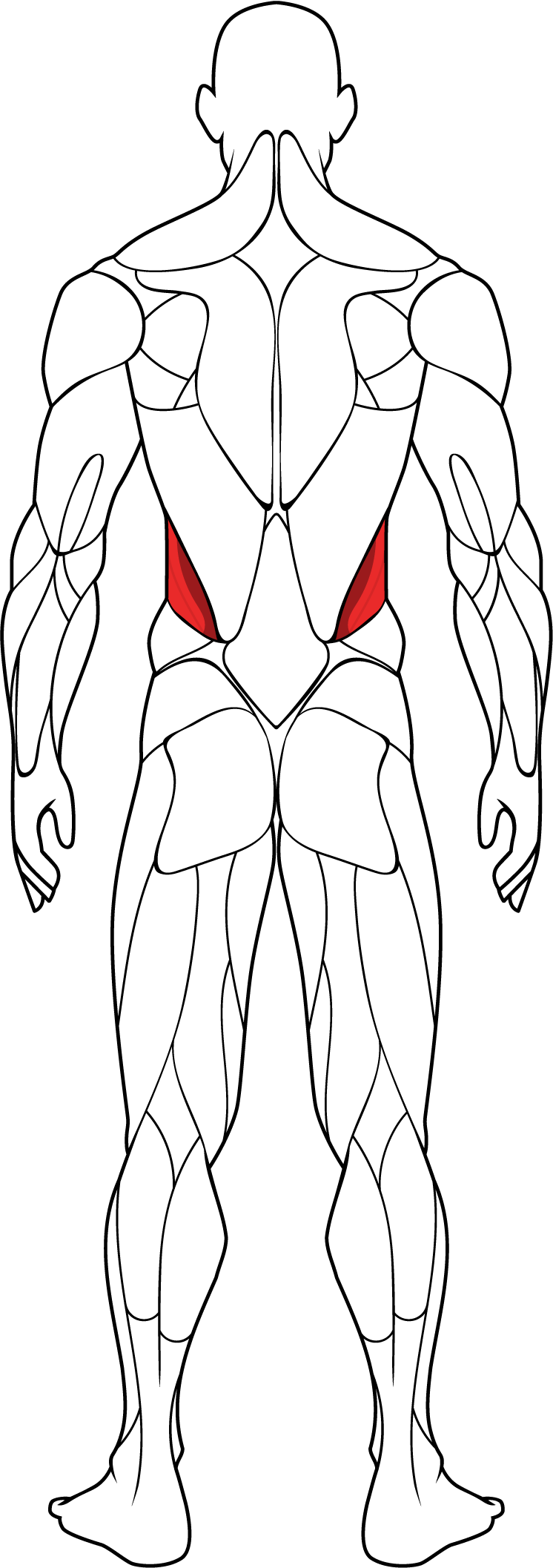
The serratus anterior is a muscle located on the lateral aspect of the rib cage, extending from the first to the ninth rib. It gets its name from its serrated or saw-toothed appearance along the ribs. This muscle plays a crucial role in stabilizing the scapula (shoulder blade) and facilitating movements of the arms and shoulders. The serratus anterior muscle originates from the surface of the f...
Read more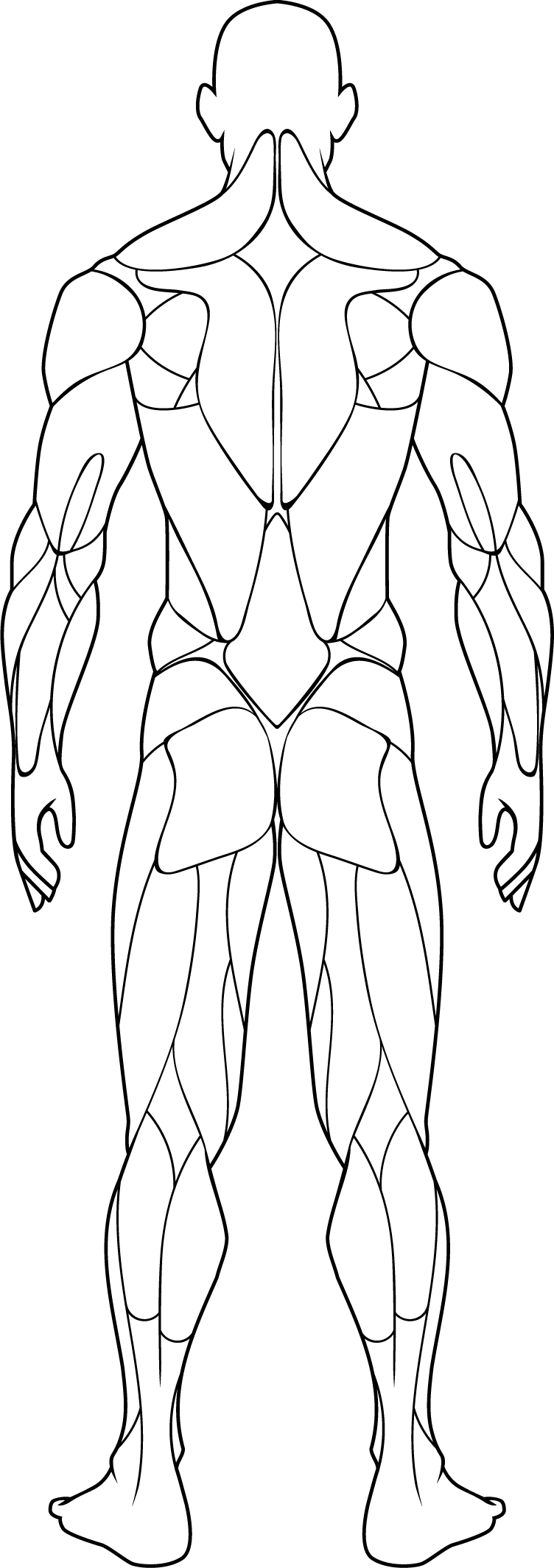
The spine muscles, also known as the paraspinal muscles, are a group of muscles located alongside the vertebral column (spine) and play a crucial role in supporting and stabilizing the spine, as well as facilitating various movements of the trunk and neck. These muscles extend from the base of the skull down to the pelvis and sacrum, encompassing both the cervical (neck), thoracic (upper and mid-b...
Read more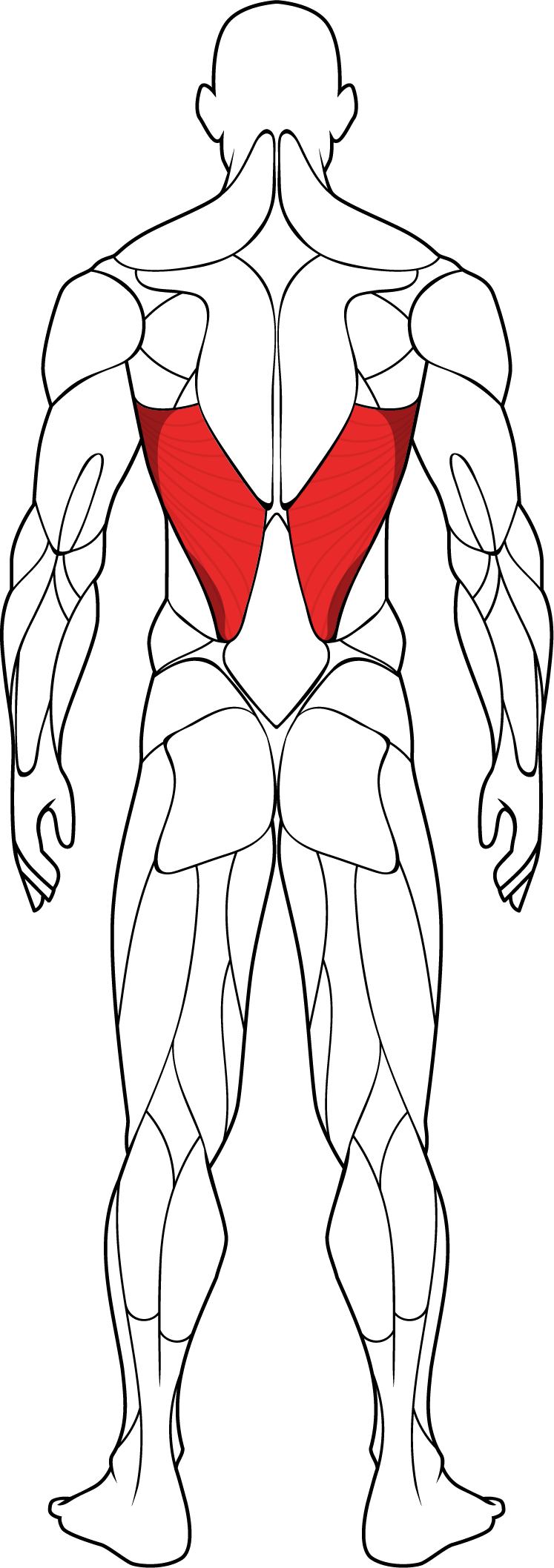
The lats, short for latissimus dorsi, are the large, flat muscles that cover much of the back and play a significant role in various upper body movements. They are often referred to as the "wings" or "lats" due to their broad shape and resemblance to wings when well-developed. The latissimus dorsi muscles originate from the lower part of the spine (thoracolumbar fascia), iliac crest (pelvis), and ...
Read more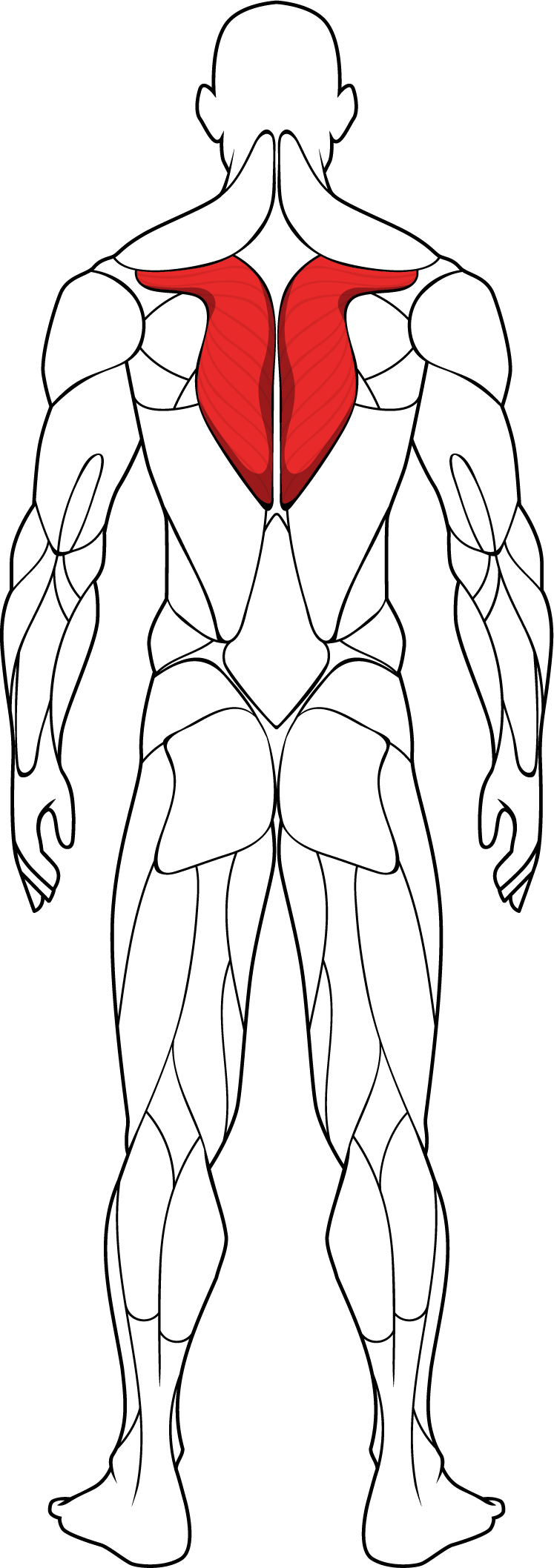
The levator scapulae is a muscle located on the back and side of the neck. It plays a significant role in various movements of the shoulder girdle and neck, including elevation and downward rotation of the scapula (shoulder blade) and lateral flexion of the neck. Anatomically, the levator scapulae muscle originates from the transverse processes of the upper cervical vertebrae, specifically from...
Read more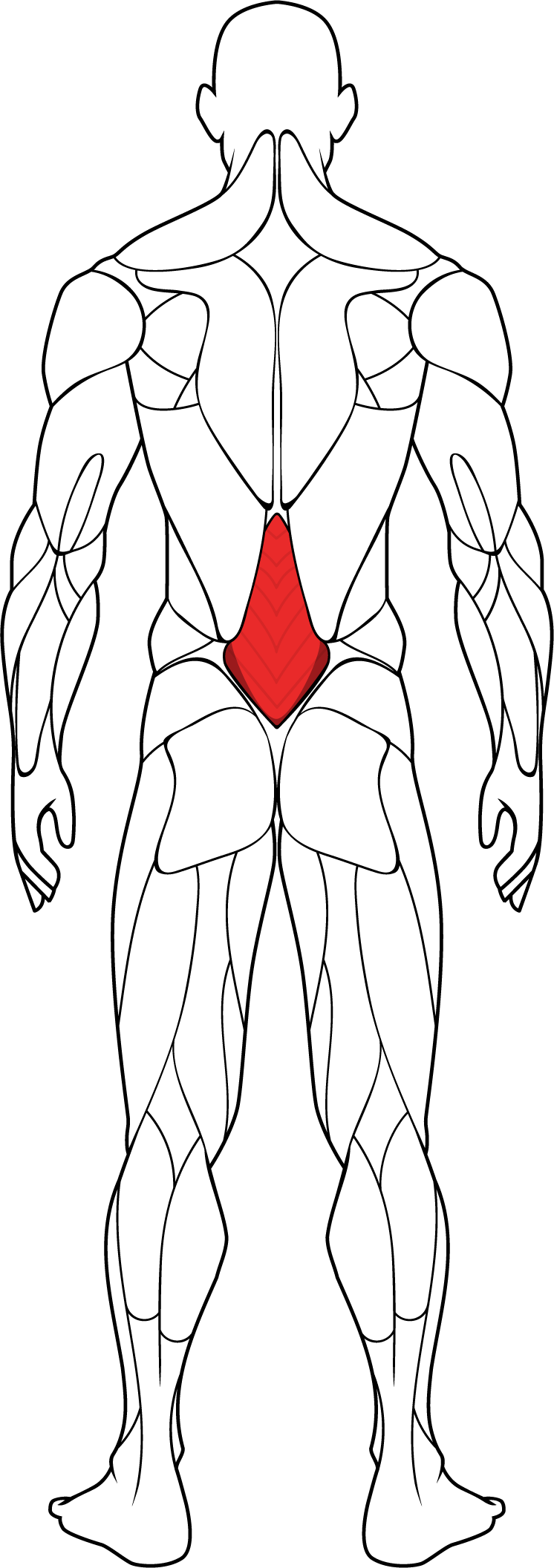
The Lower Back muscle, also known as the erector spinae, is a group of muscles that run along the lower part of the spine. It is primarily responsible for providing support and stability to the spine, allowing for proper posture and movement. The lower back muscle also helps with bending, twisting, and lifting. It plays a crucial role in everyday activities such as walking, sitting, and standing. ...
Read more
The teres major muscle is a thick and powerful muscle located on the posterior side of the upper arm. It is used to assist in the movement of the shoulder joint, specifically in movements such as extension, adduction, and internal rotation of the arm. The teres major works in conjunction with other muscles in the upper arm to provide stability and strength during activities like lifting, throwing,...
Read more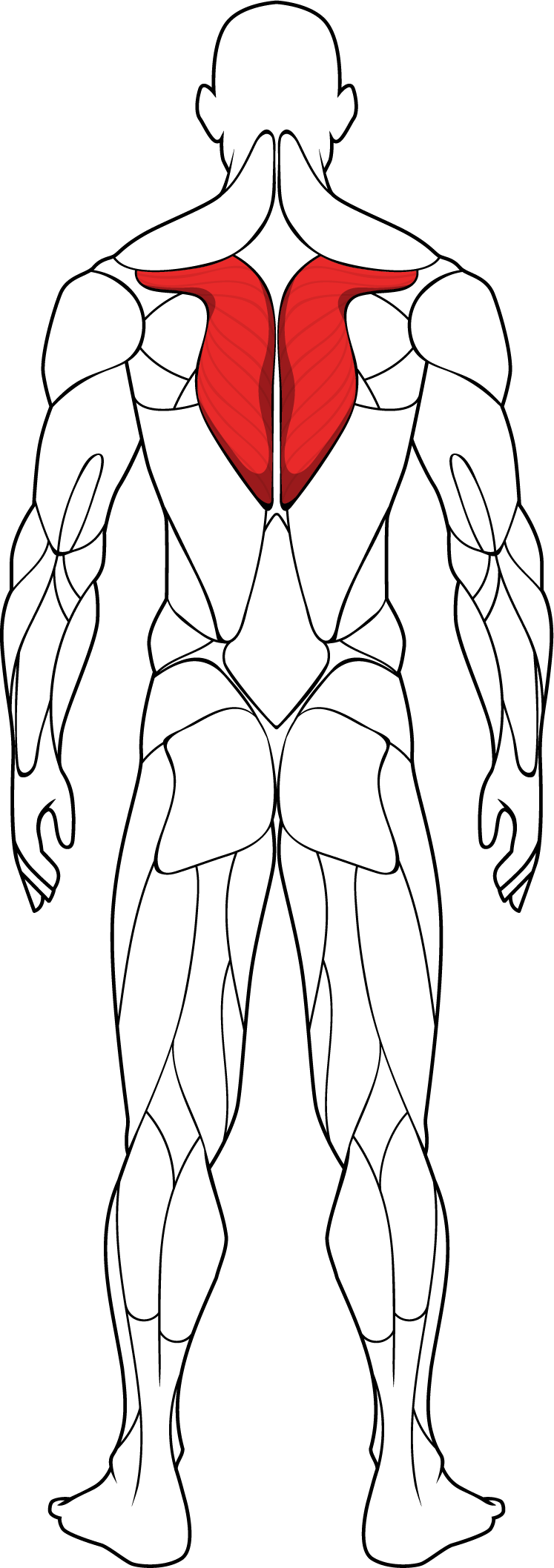
The upper back muscles, also known as the thoracic or scapular muscles, refer to a group of muscles located in the upper and middle regions of the back. These muscles are responsible for various movements of the shoulder blades (scapulae), the spine, and the rib cage. Strengthening these muscles is important for maintaining proper posture, stability, and mobility of the upper body. Some of the ...
Read more